HerbDried flower
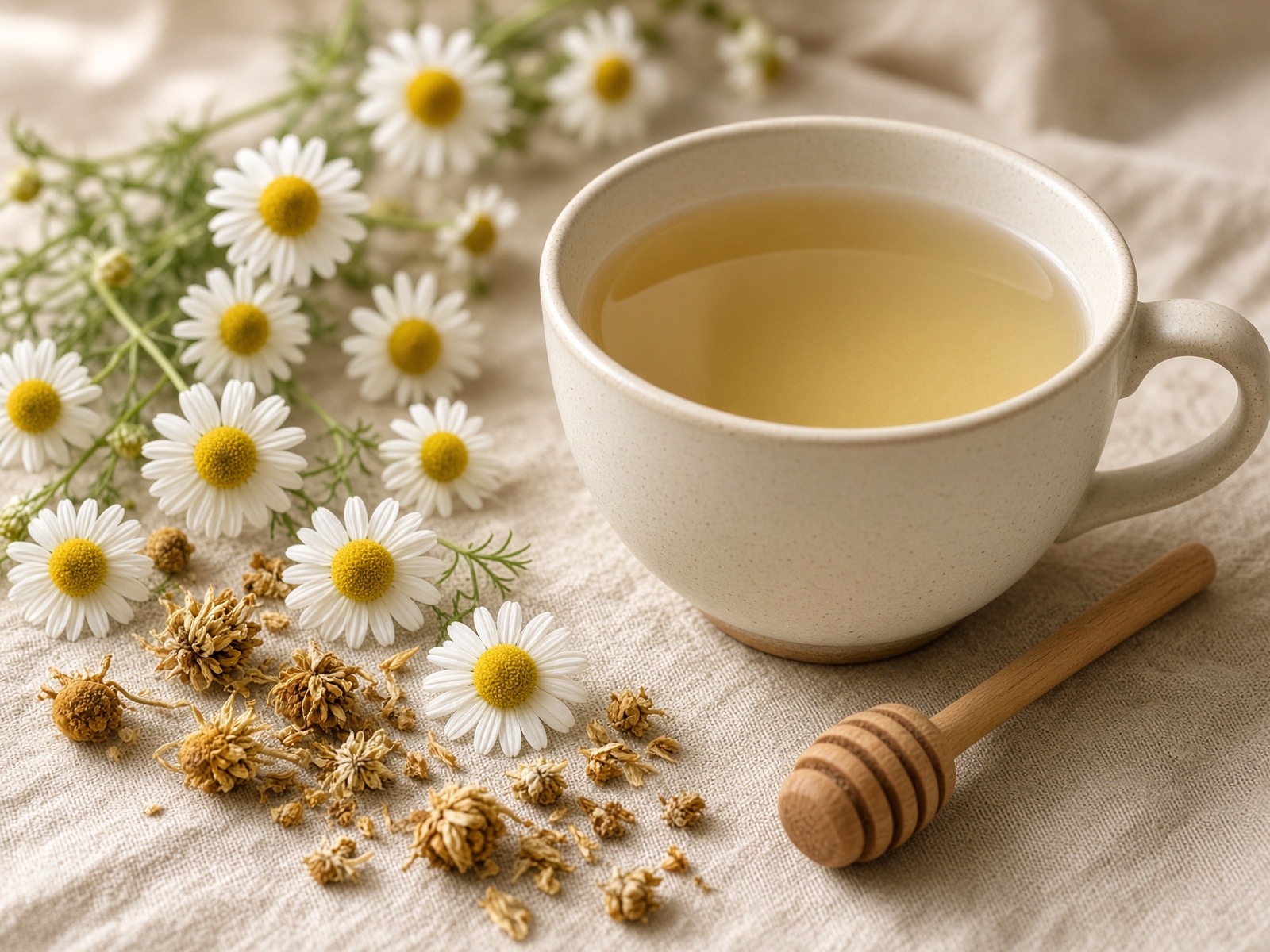
Chamomile
Apple-scented blossoms for a quiet evening cup or a linen sachet.
Nature’s pharmacy
Organic leaves, flowers, roots, and oils for the kitchen and the house. Traditional uses, simple preparations — not folklore, and not medical advice.
Apple-scented blossoms for a quiet evening cup or a linen sachet.
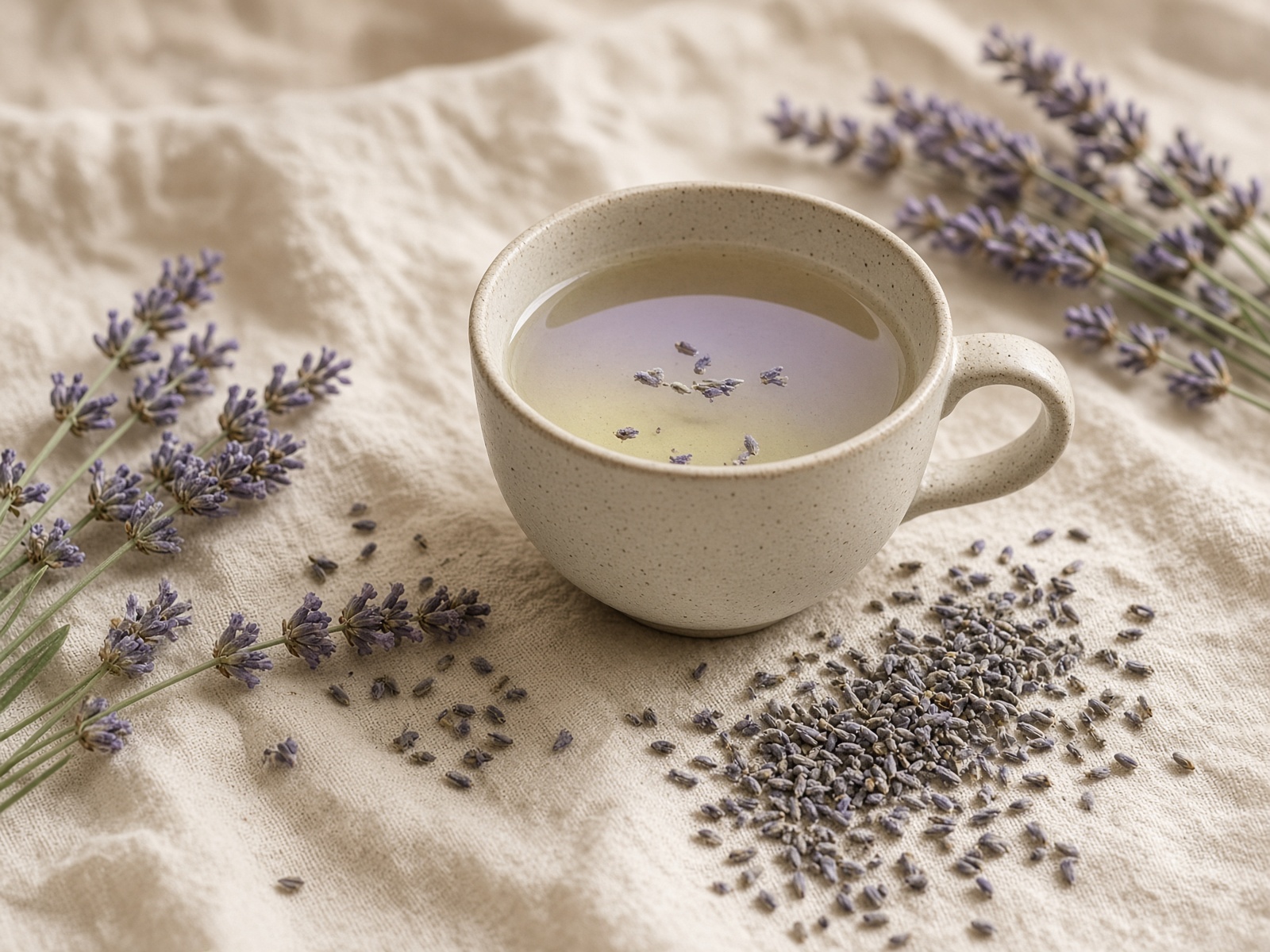
Culinary buds for a light tea, sugar, or a drawer sachet.
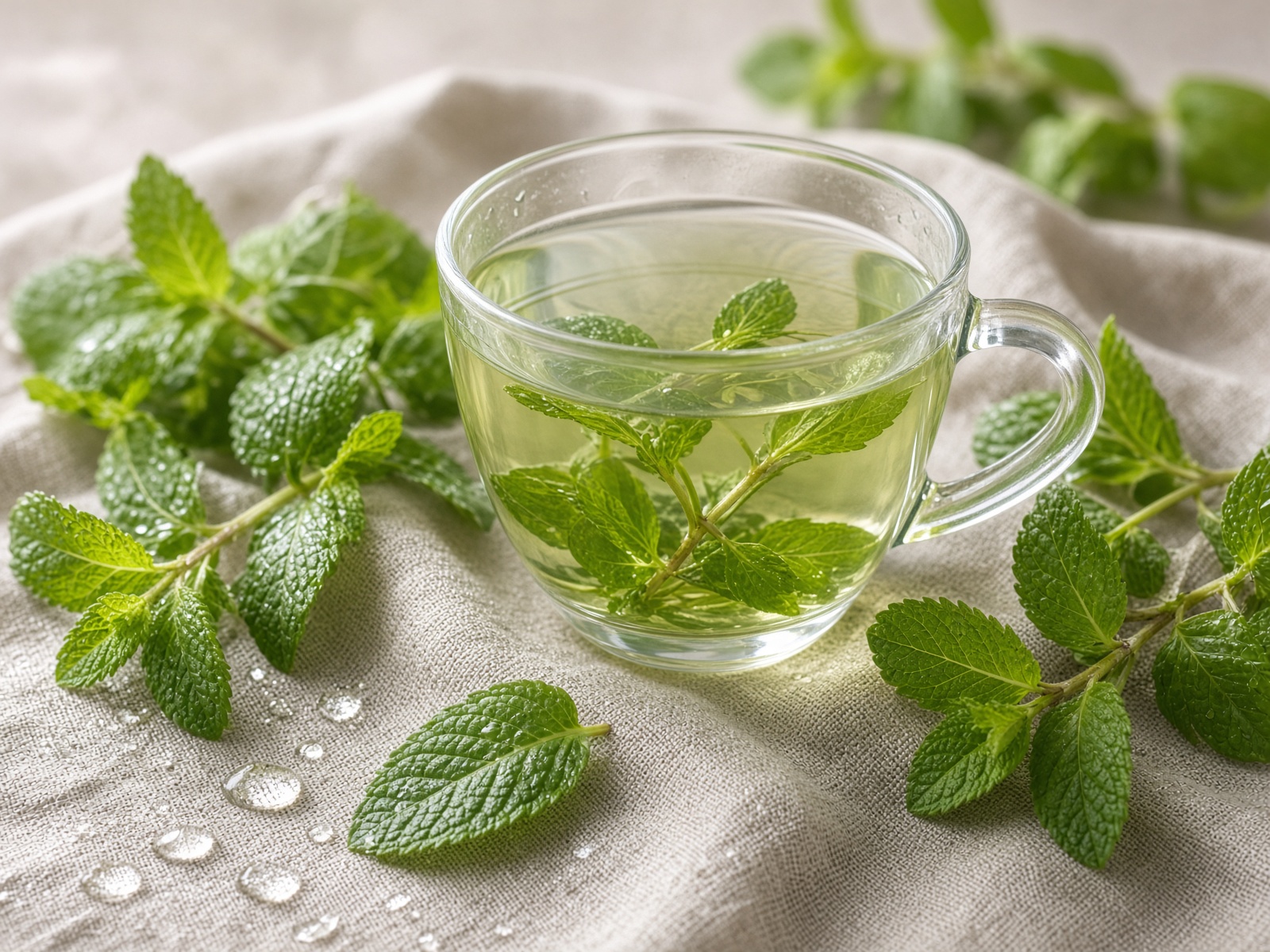
The after-dinner leaf: cool, bright, and easy to keep in a jar.
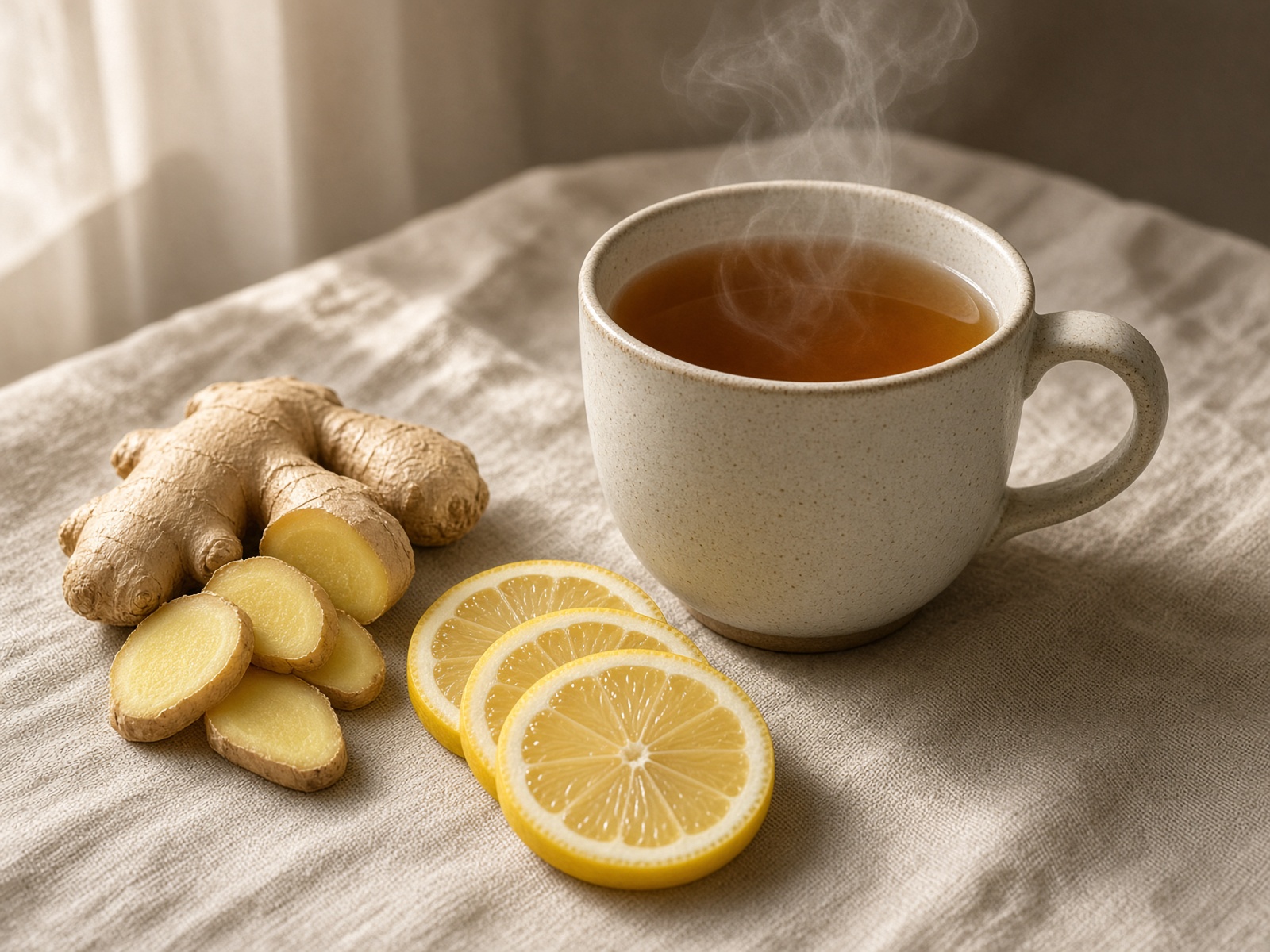
A kitchen root: slice, simmer, and sweeten if you want.
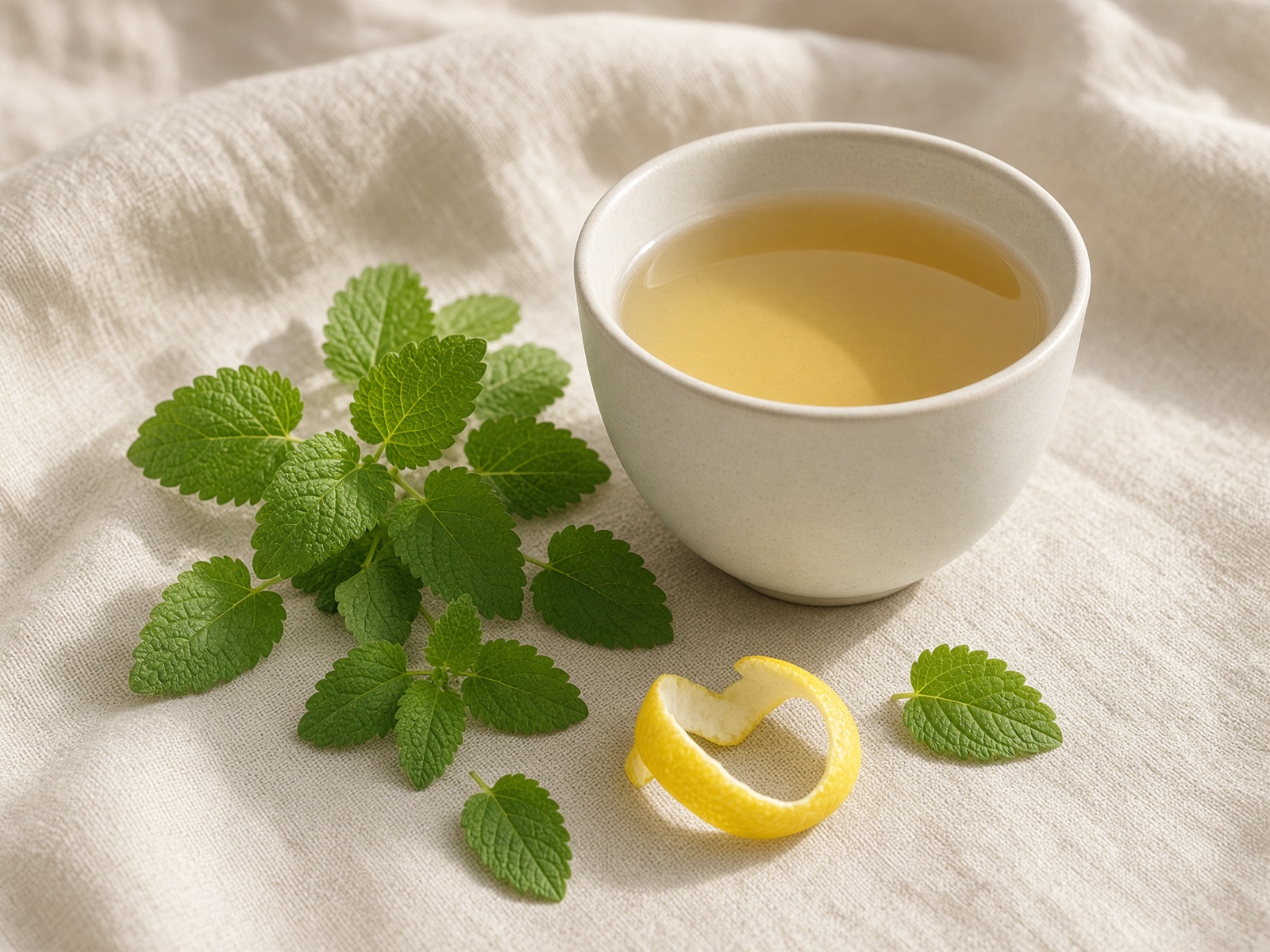
A lemon-leaf plant for daytime tea and a jug of cold water.
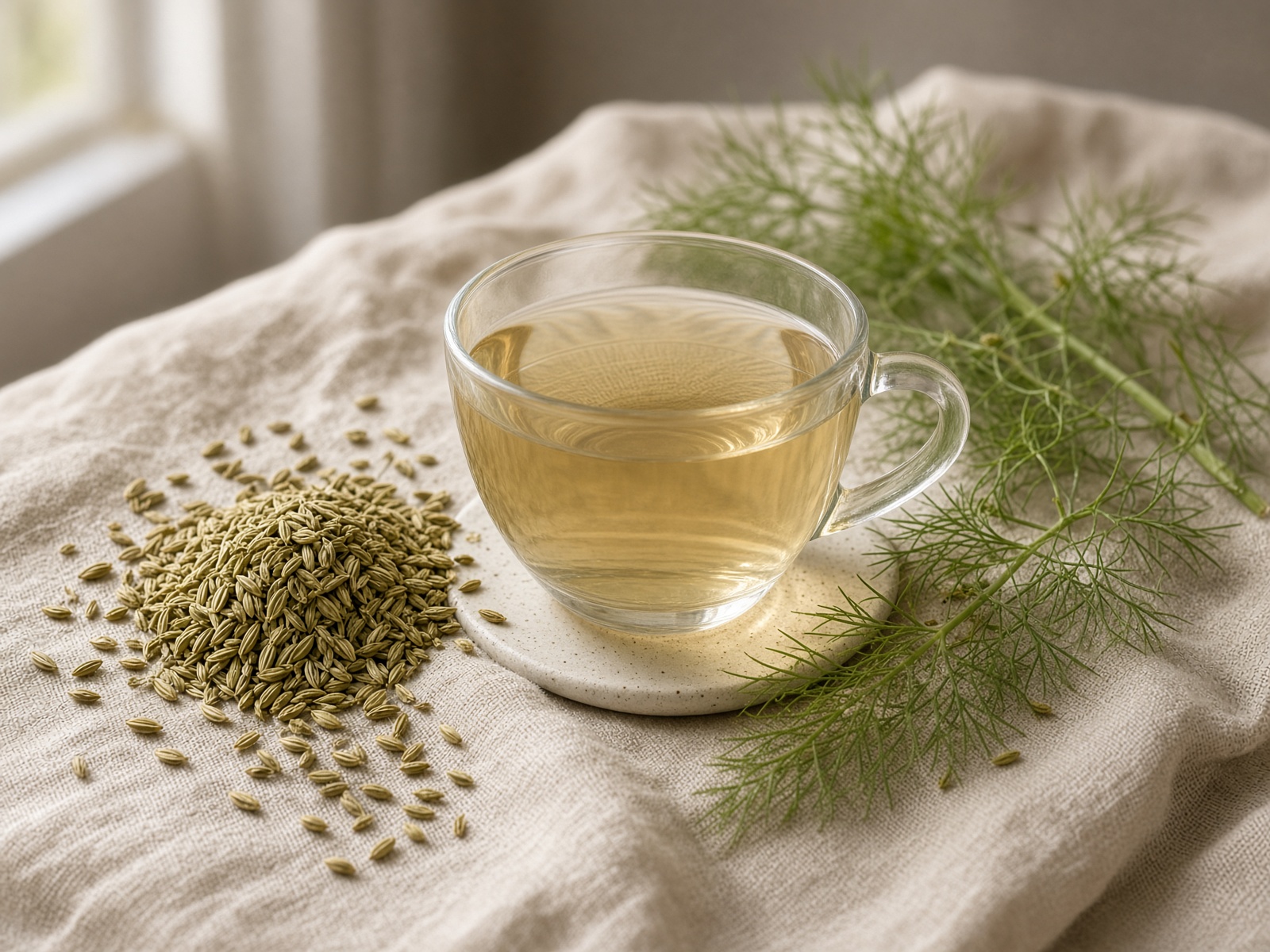
Sweet seed tea and a classic after a heavy plate.
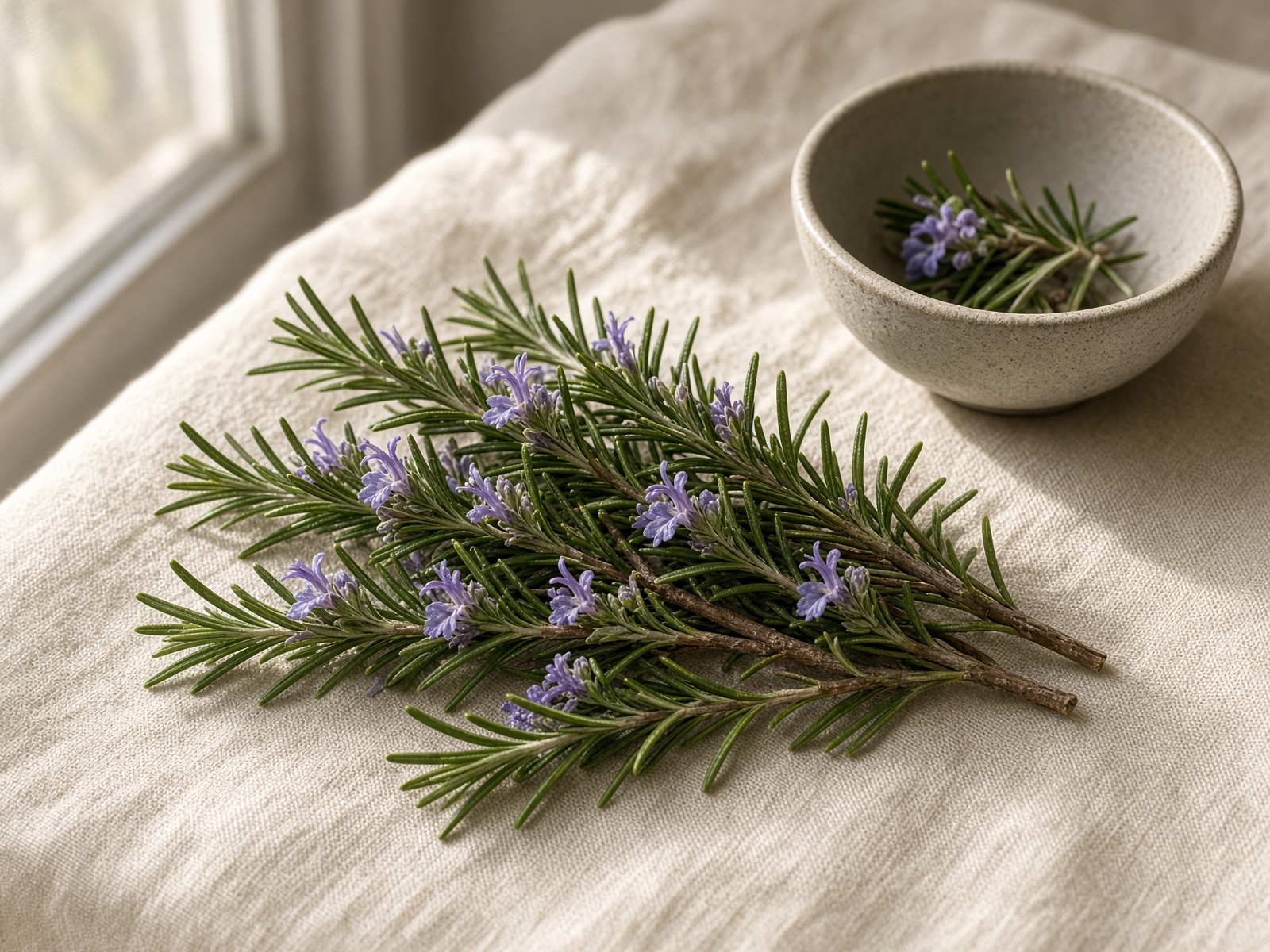
A woody kitchen herb for roast, bread, and a pine-bright steam.
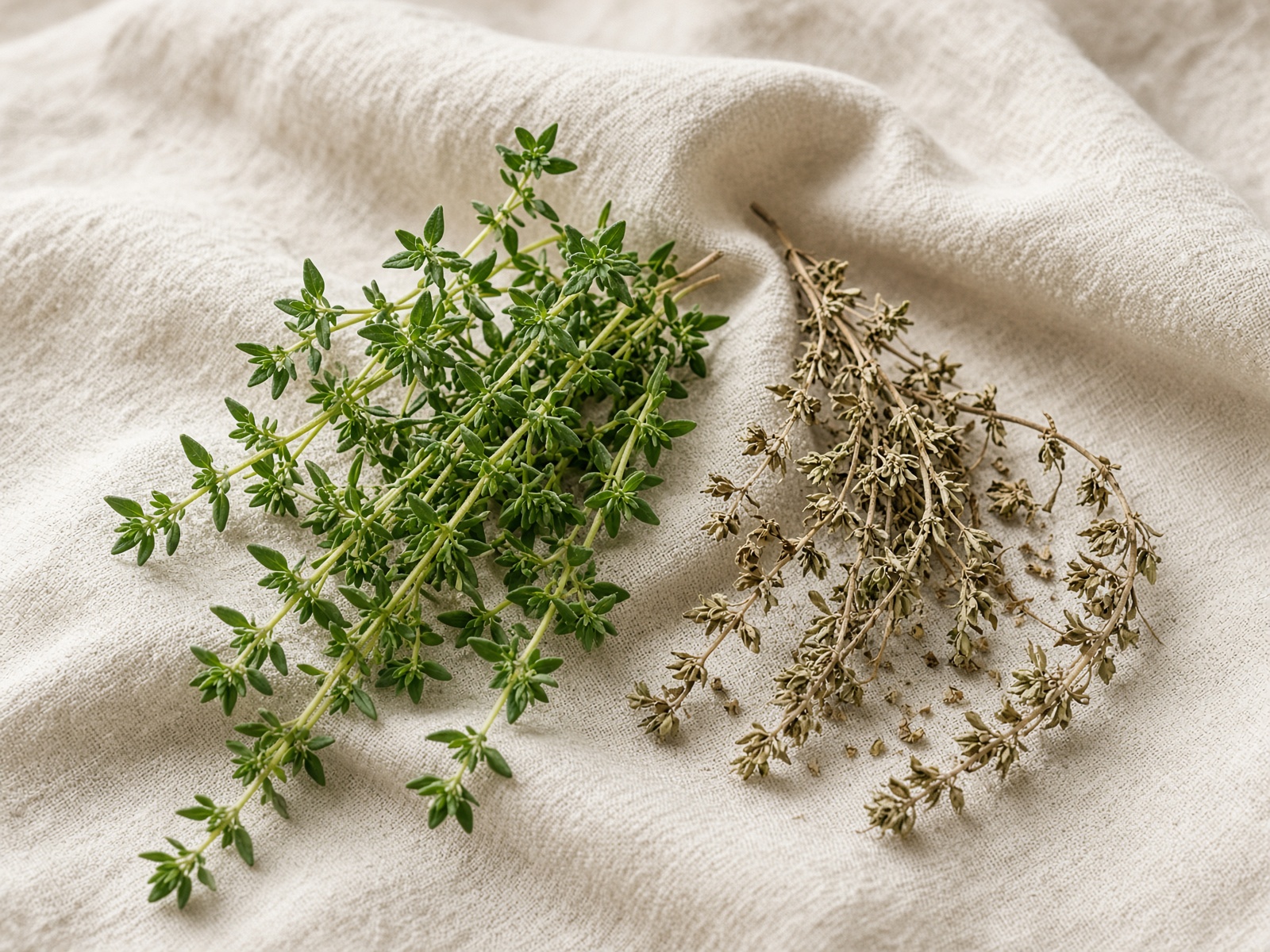
Small leaves, big kitchen use — soup, roast, and a simple steam.
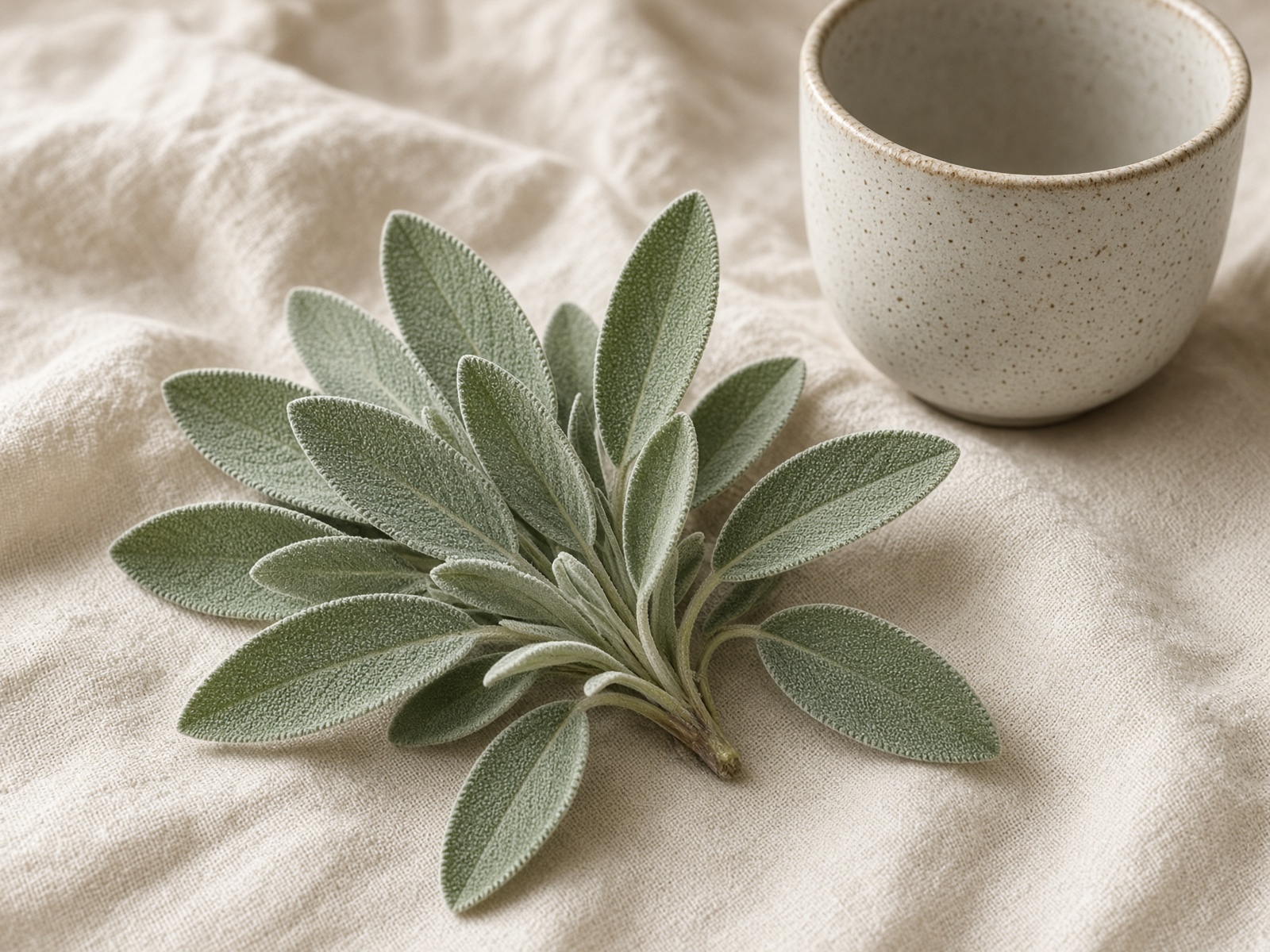
A few velvety leaves in the pan, or a brief gargle tea you do not swallow.
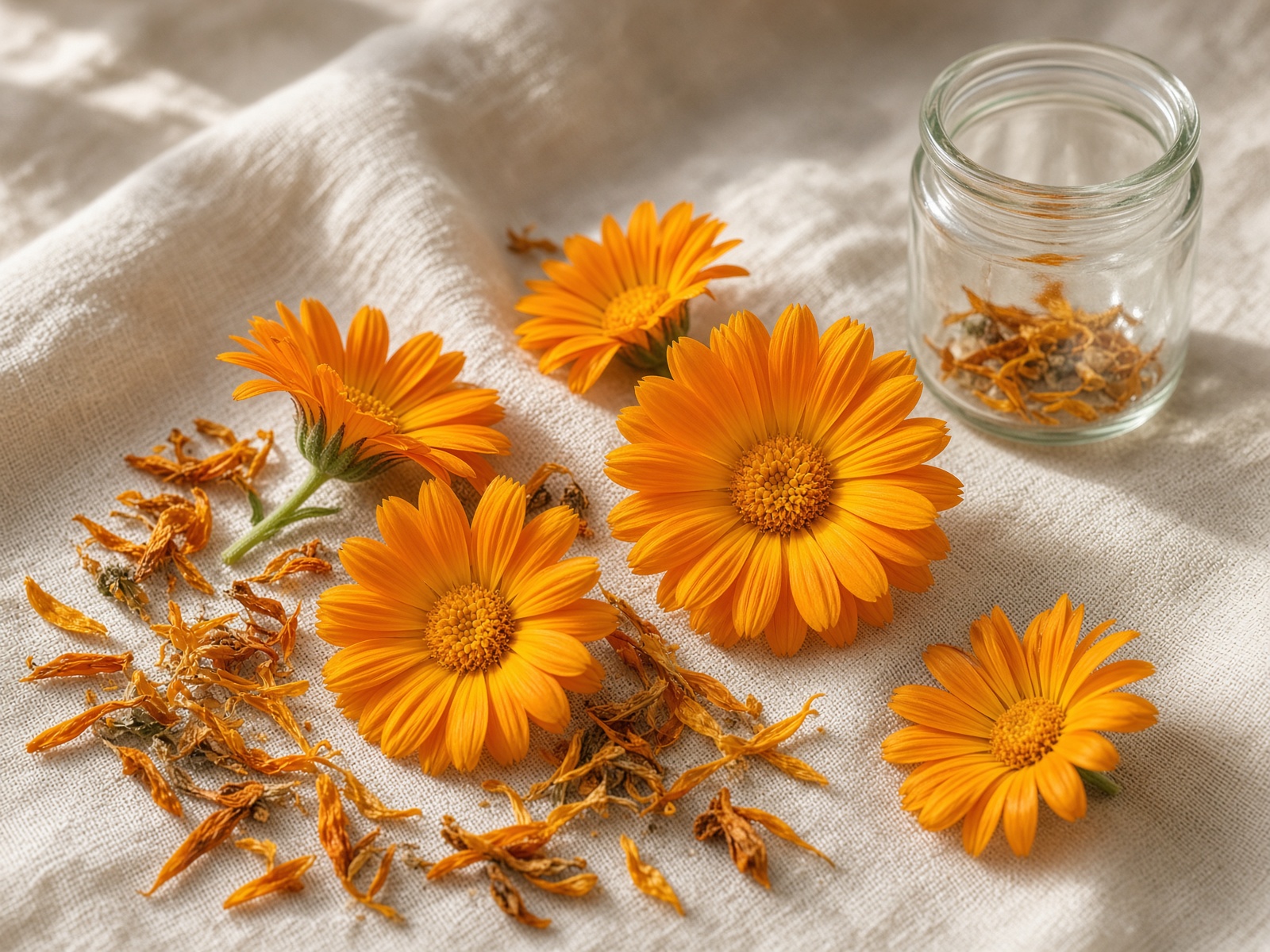
Pot marigold petals for oil, a bright tea, and the salad bowl.
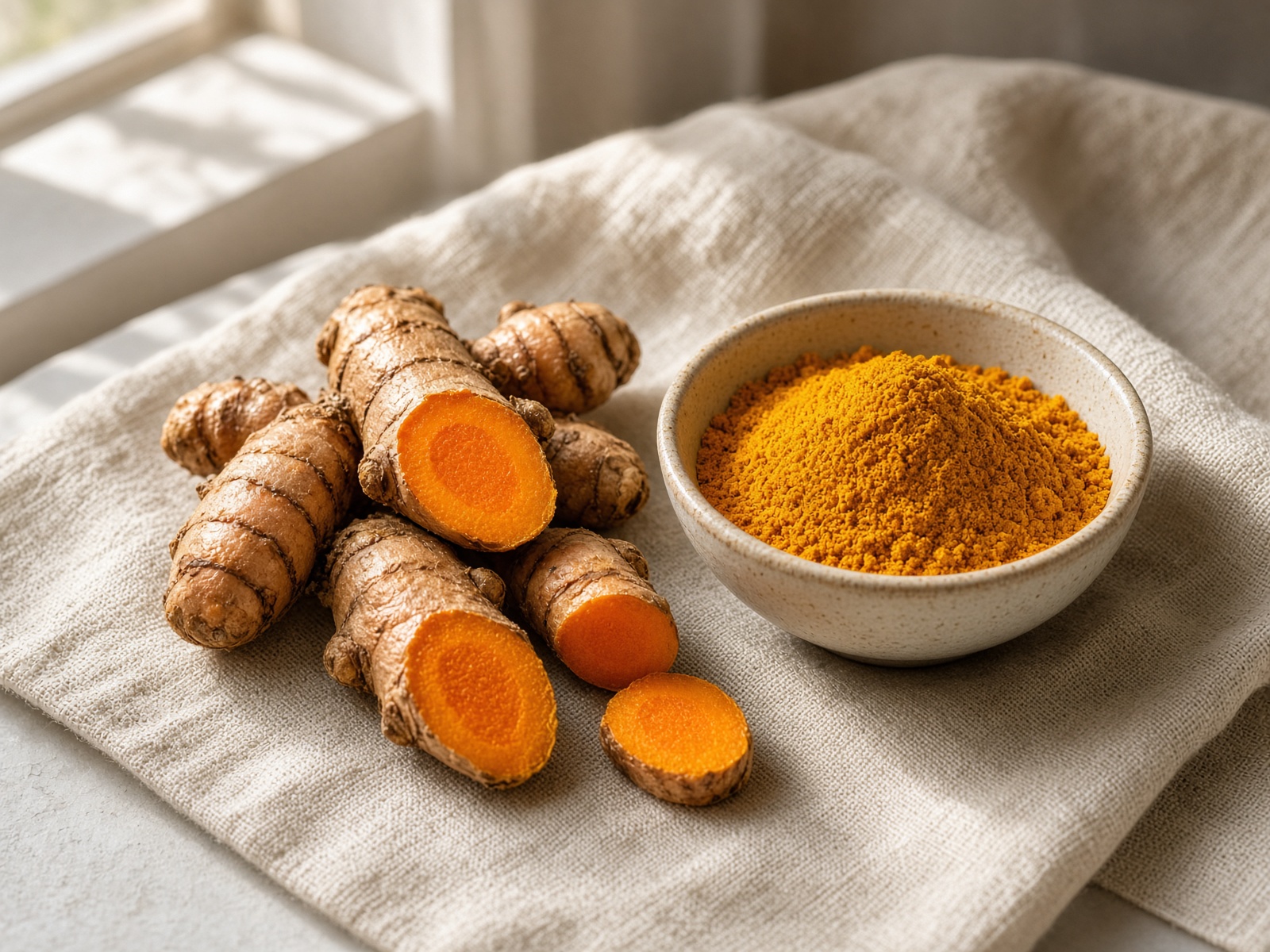
Kitchen gold for lentils, rice, and a warm milk at night.
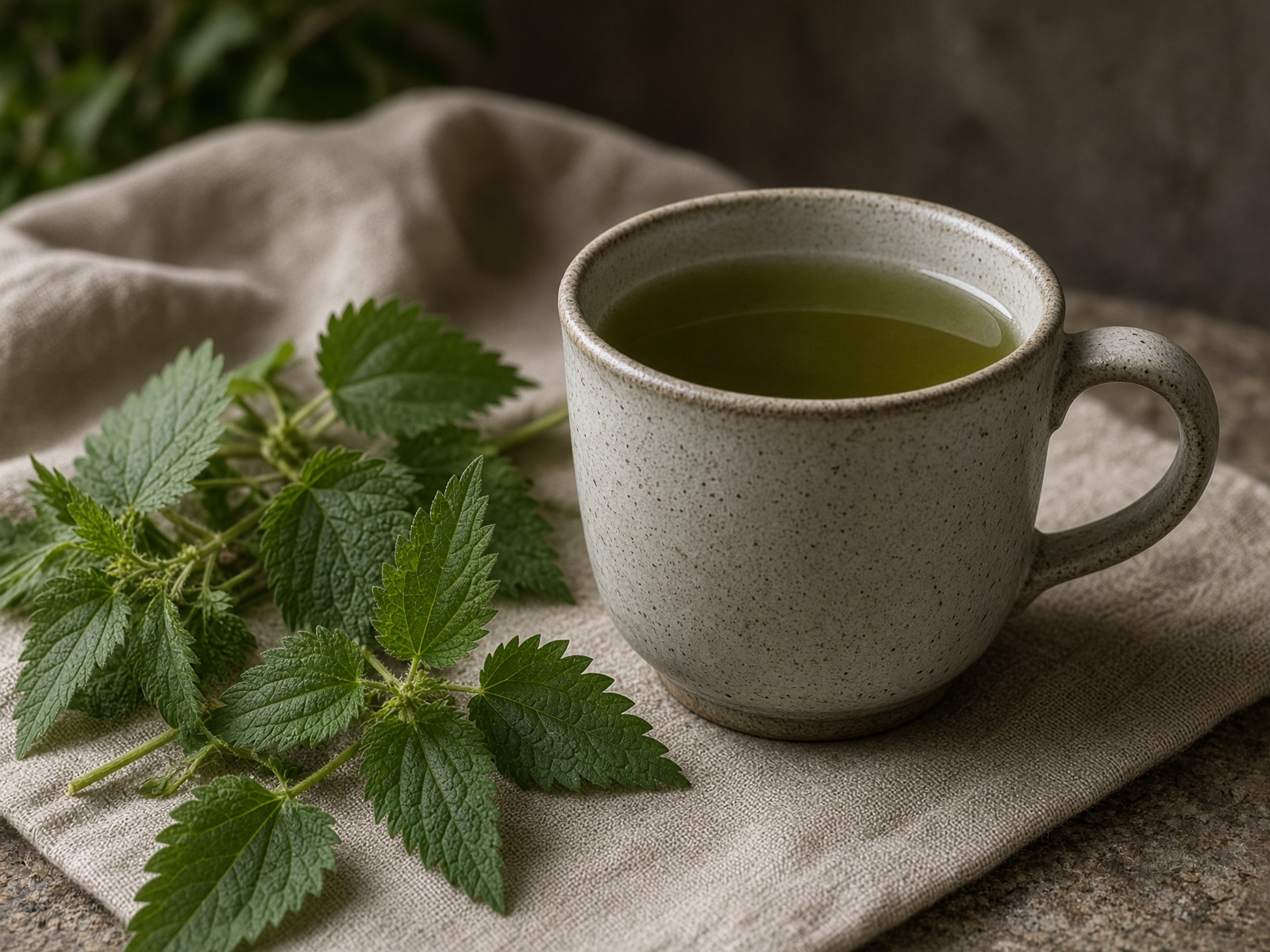
A mineral-green infusion. Dried, it has no sting.
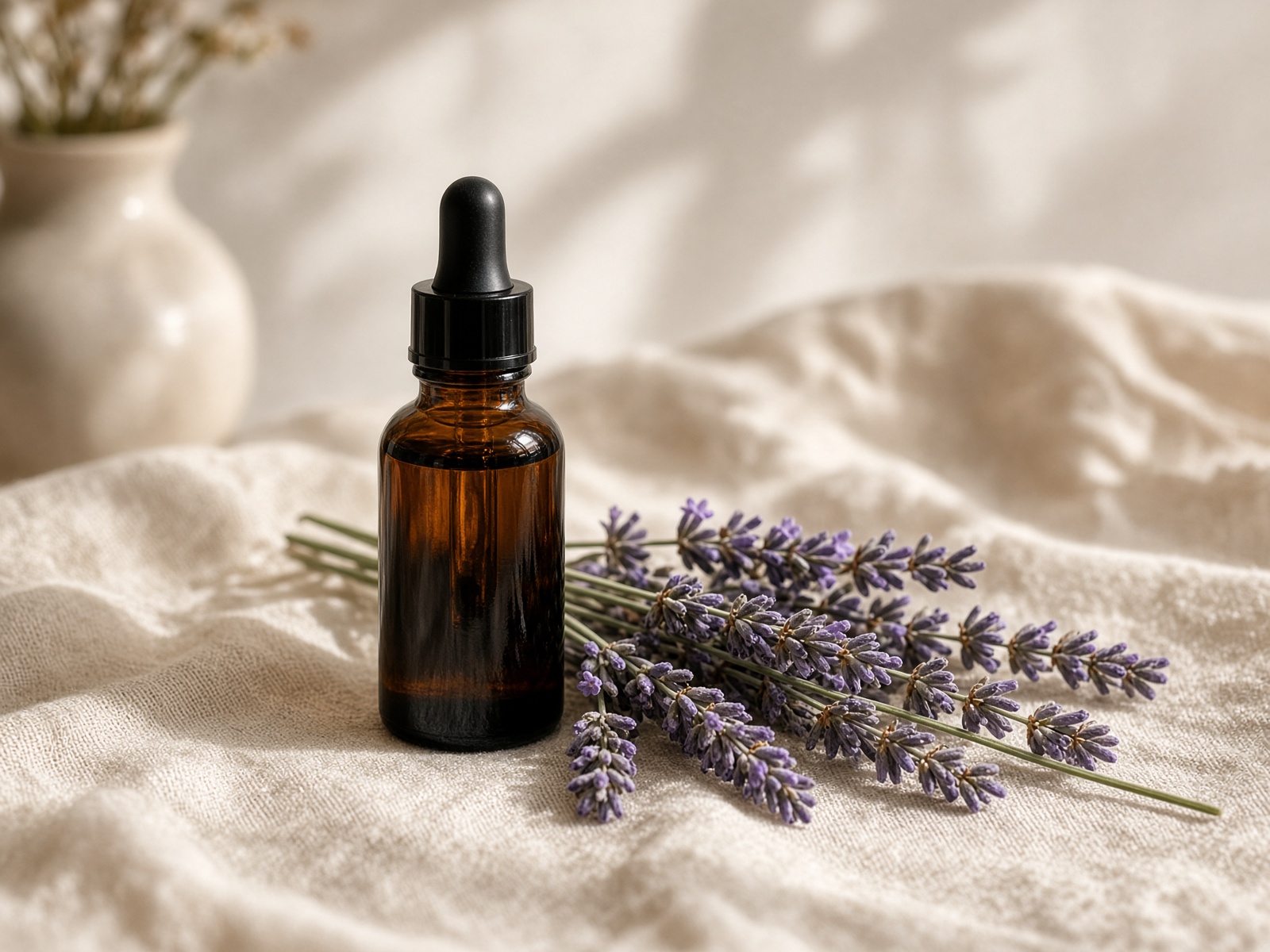
A drop in a carrier, a linen spray, or a diffuser — never a teaspoon.
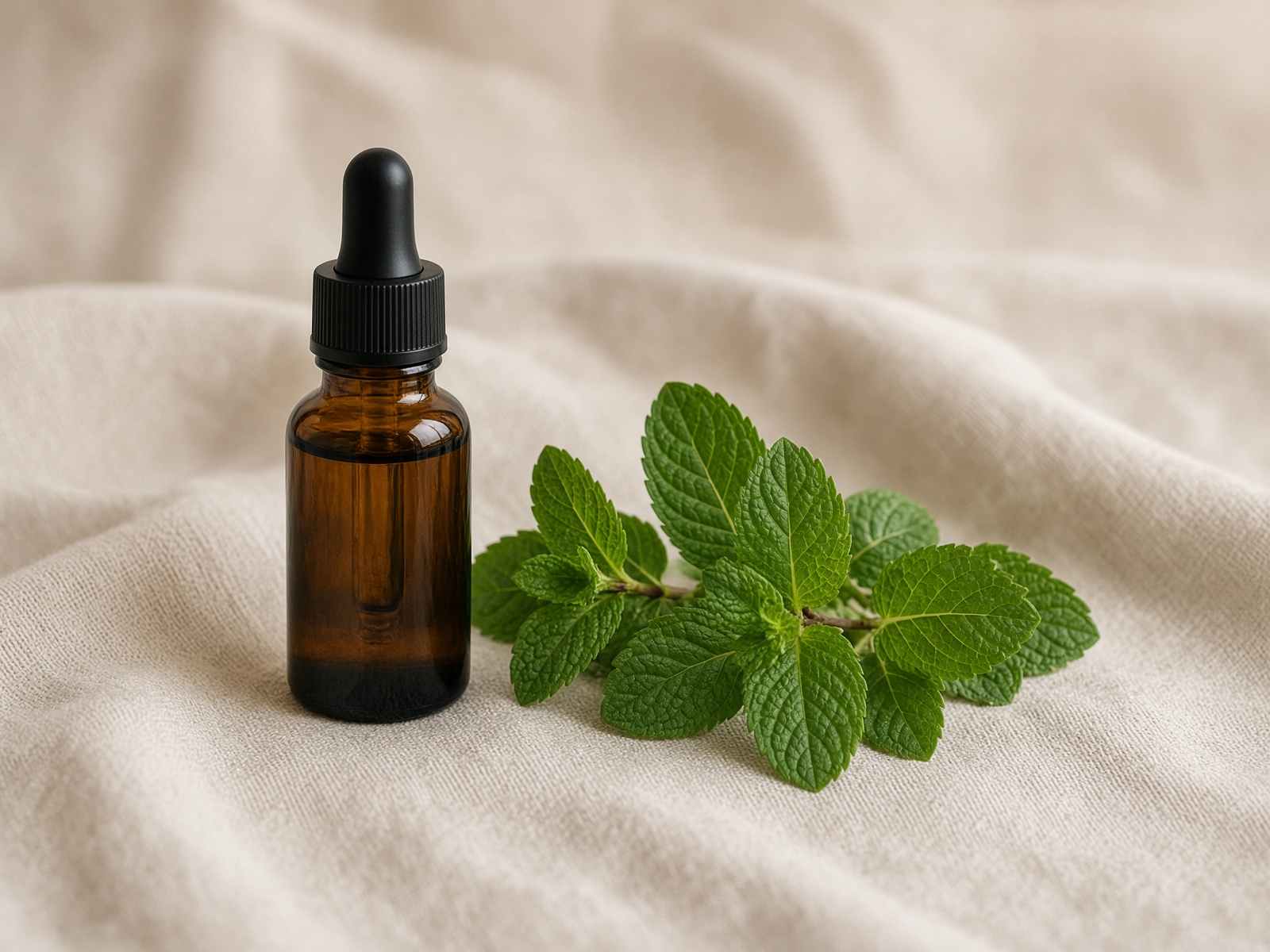
Cool scent for a stuffy room or a diluted roll-on. Not for the kettle.
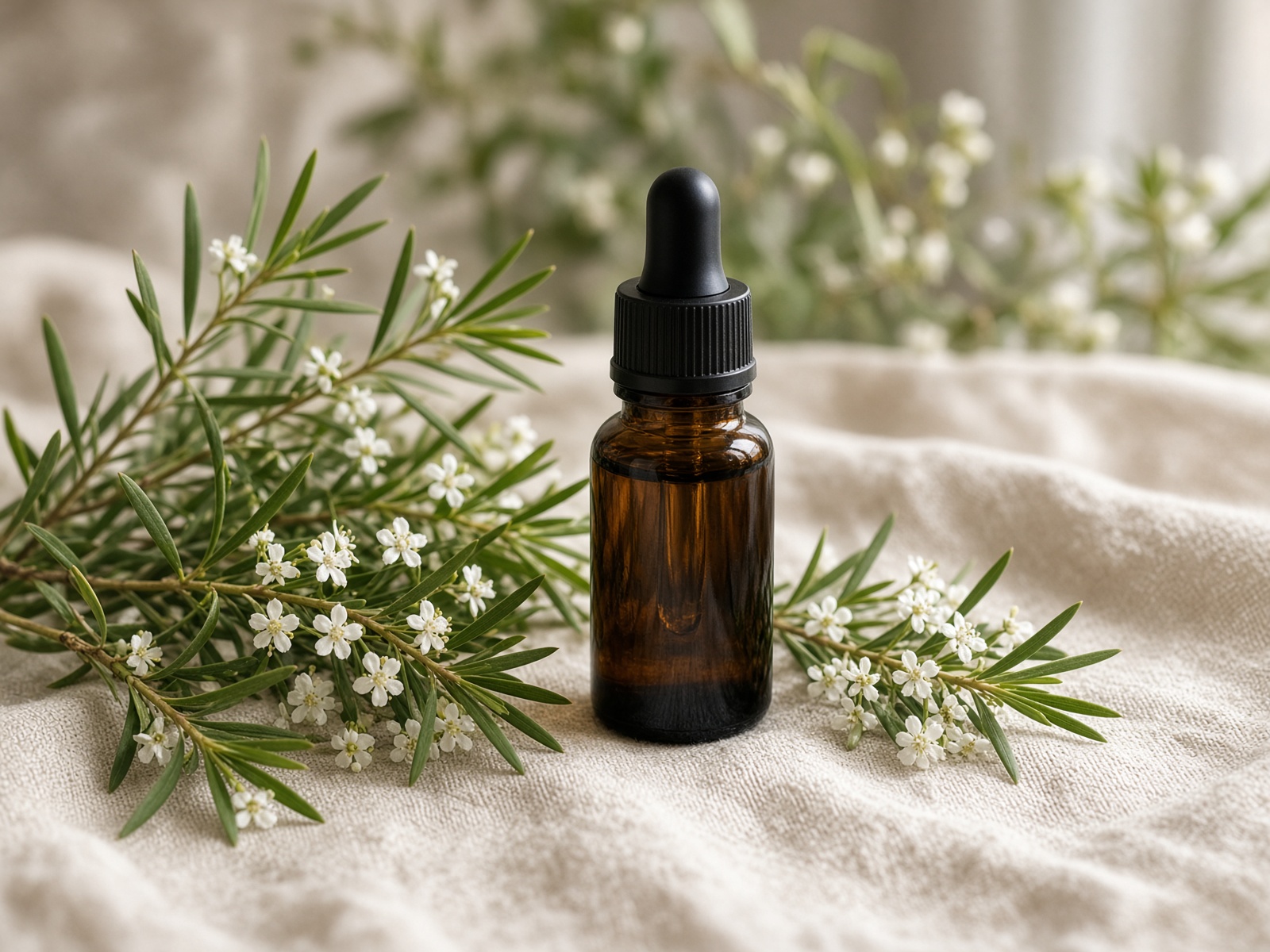
A household bottle for diluted skin spots and a fresh-scented clean.
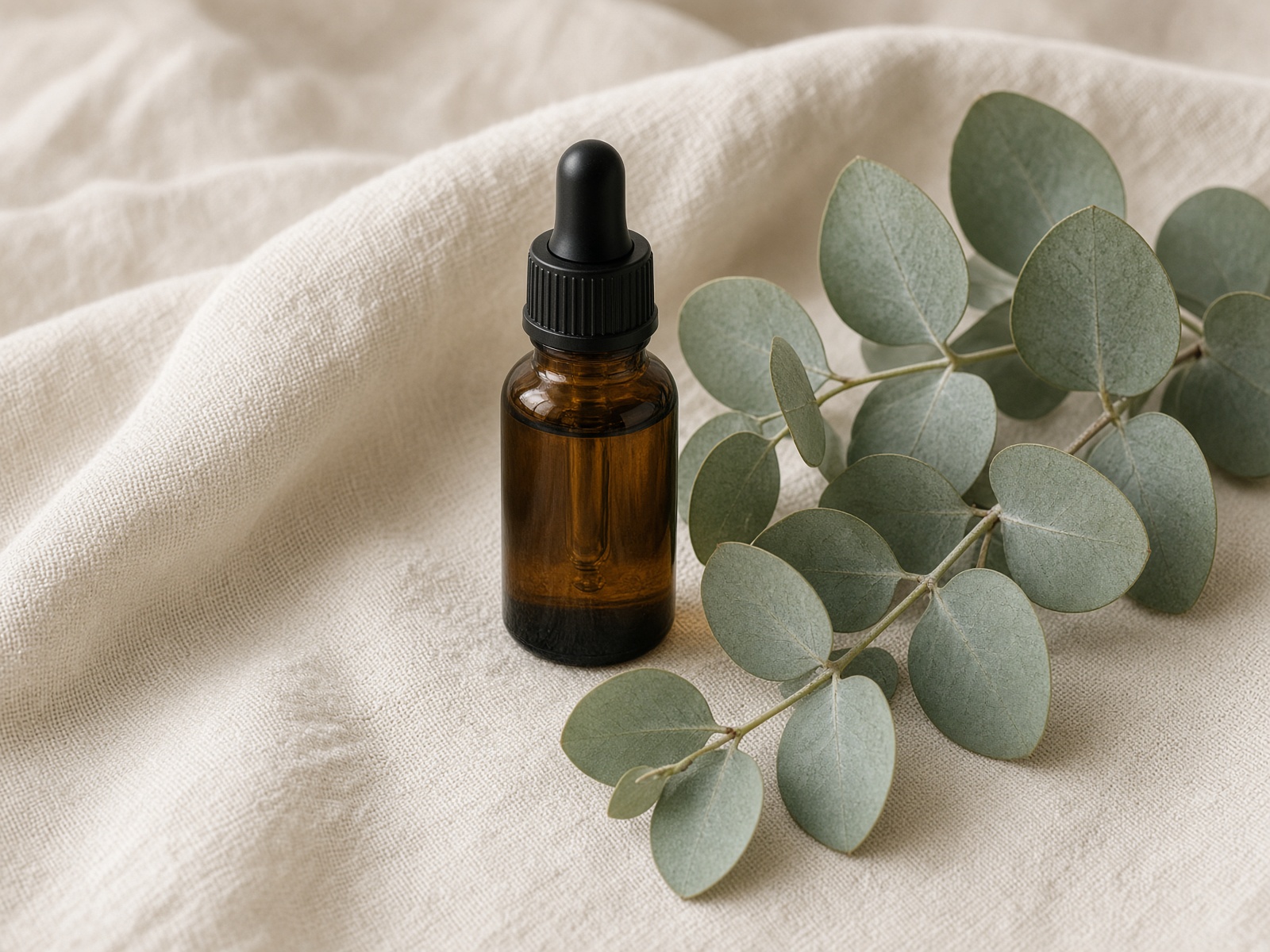
A camphor steam for a closed room. Short sessions, open a window after.
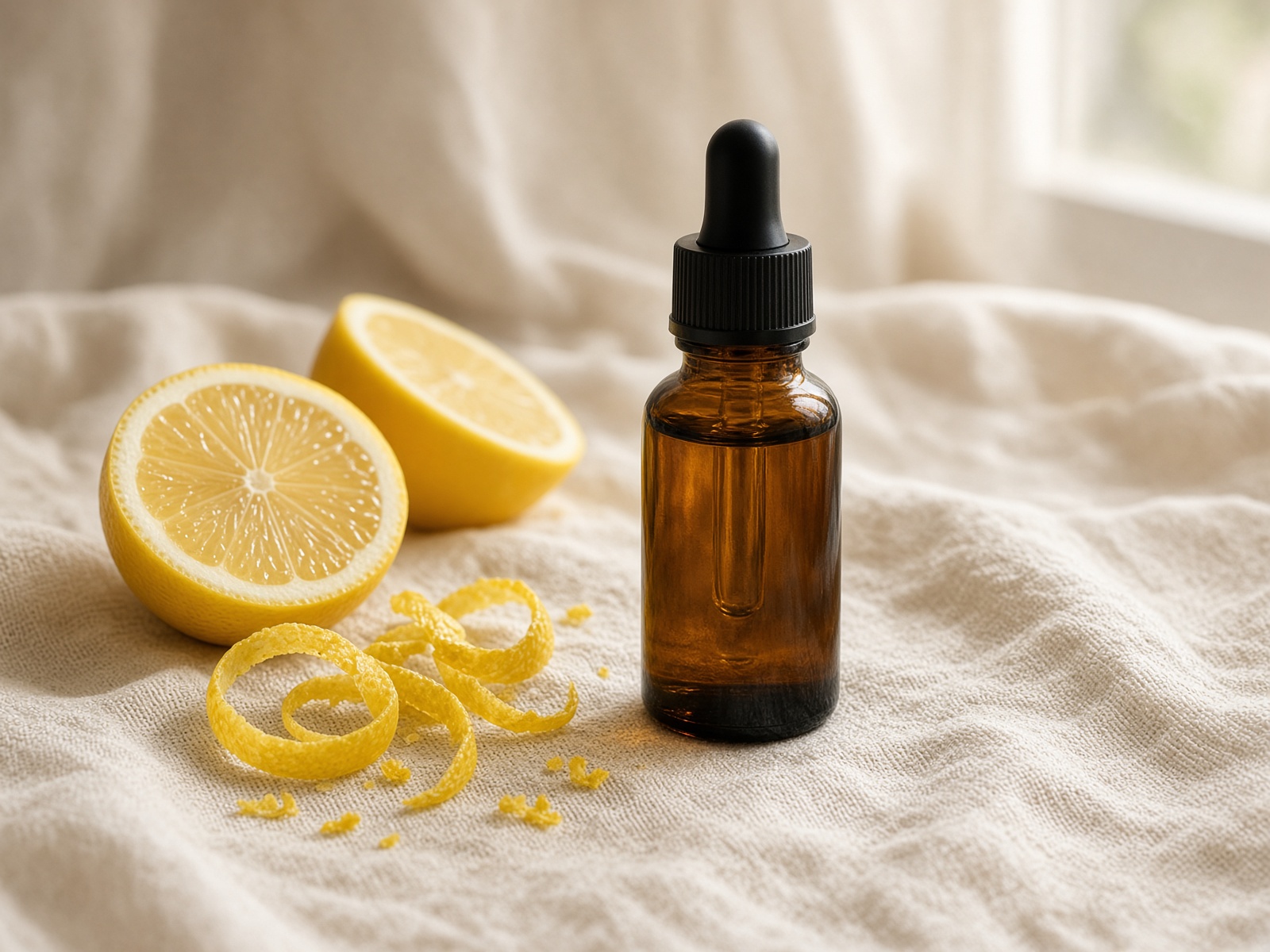
Bright citrus for a sink spray and a diffuser. Phototoxic on skin.
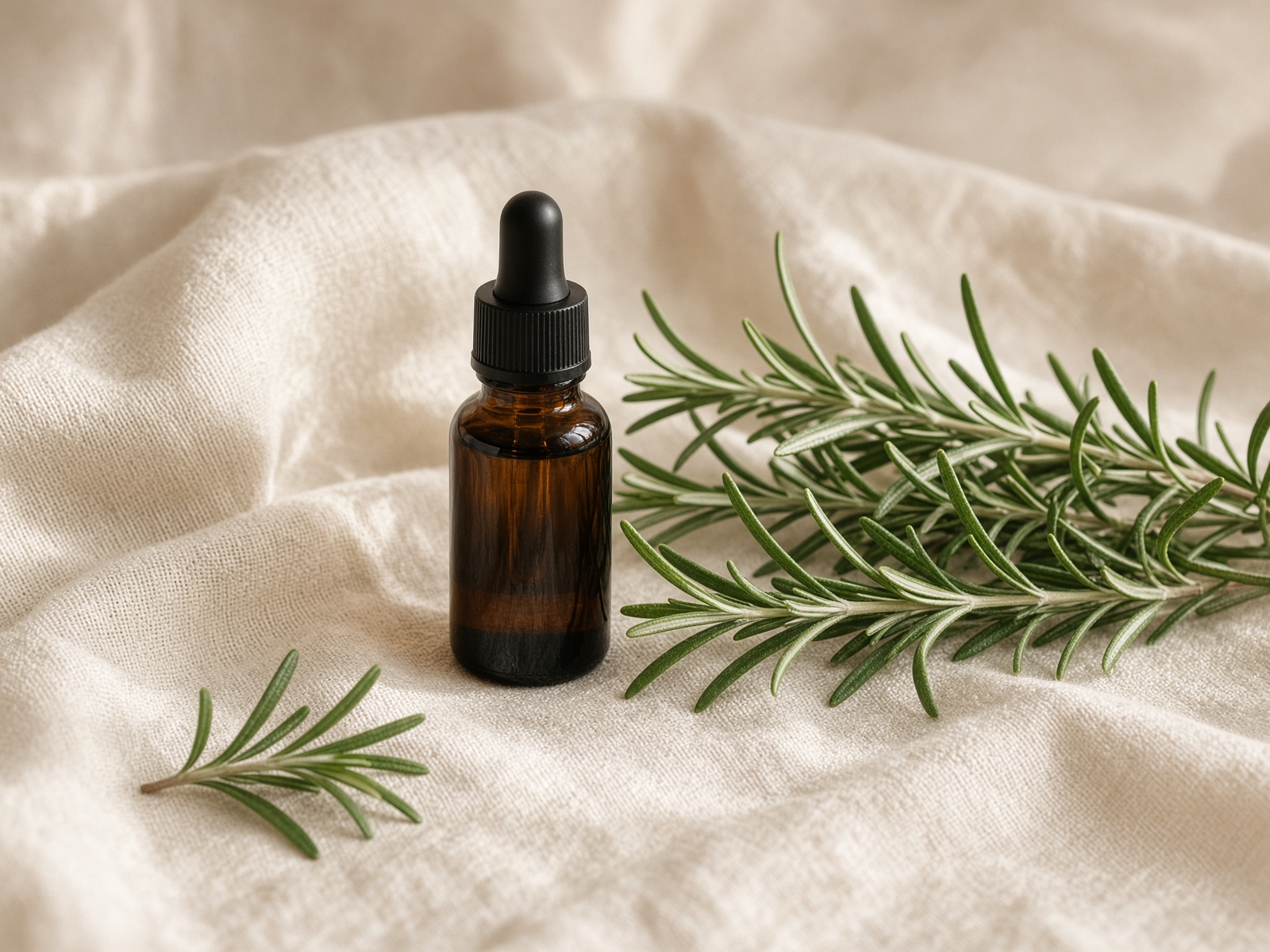
A pine-herbal drop for a diffuser or a diluted scalp oil. Not for cooking.
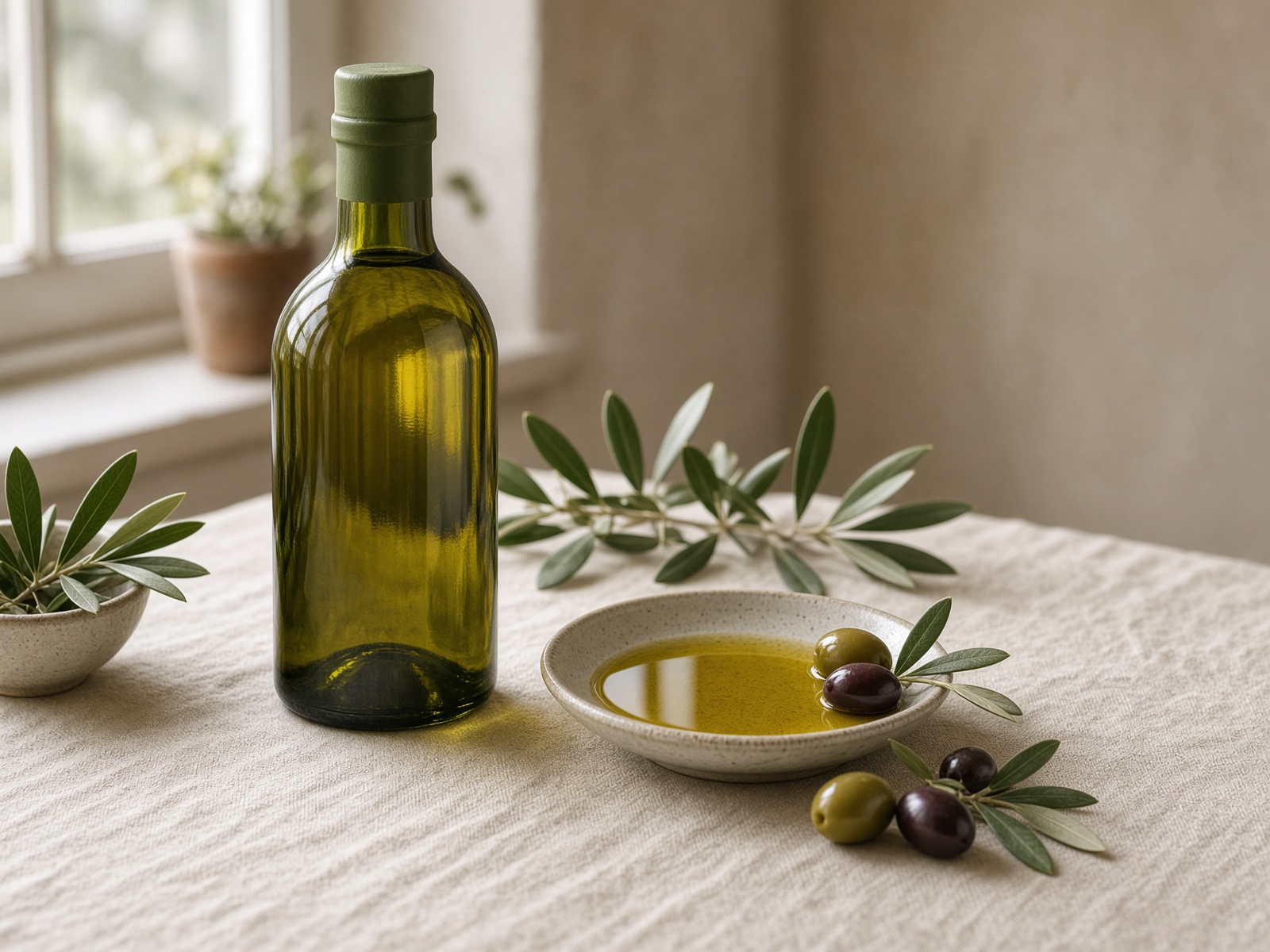
The house oil: cooking, a simple salad, and a mild carrier for other oils.
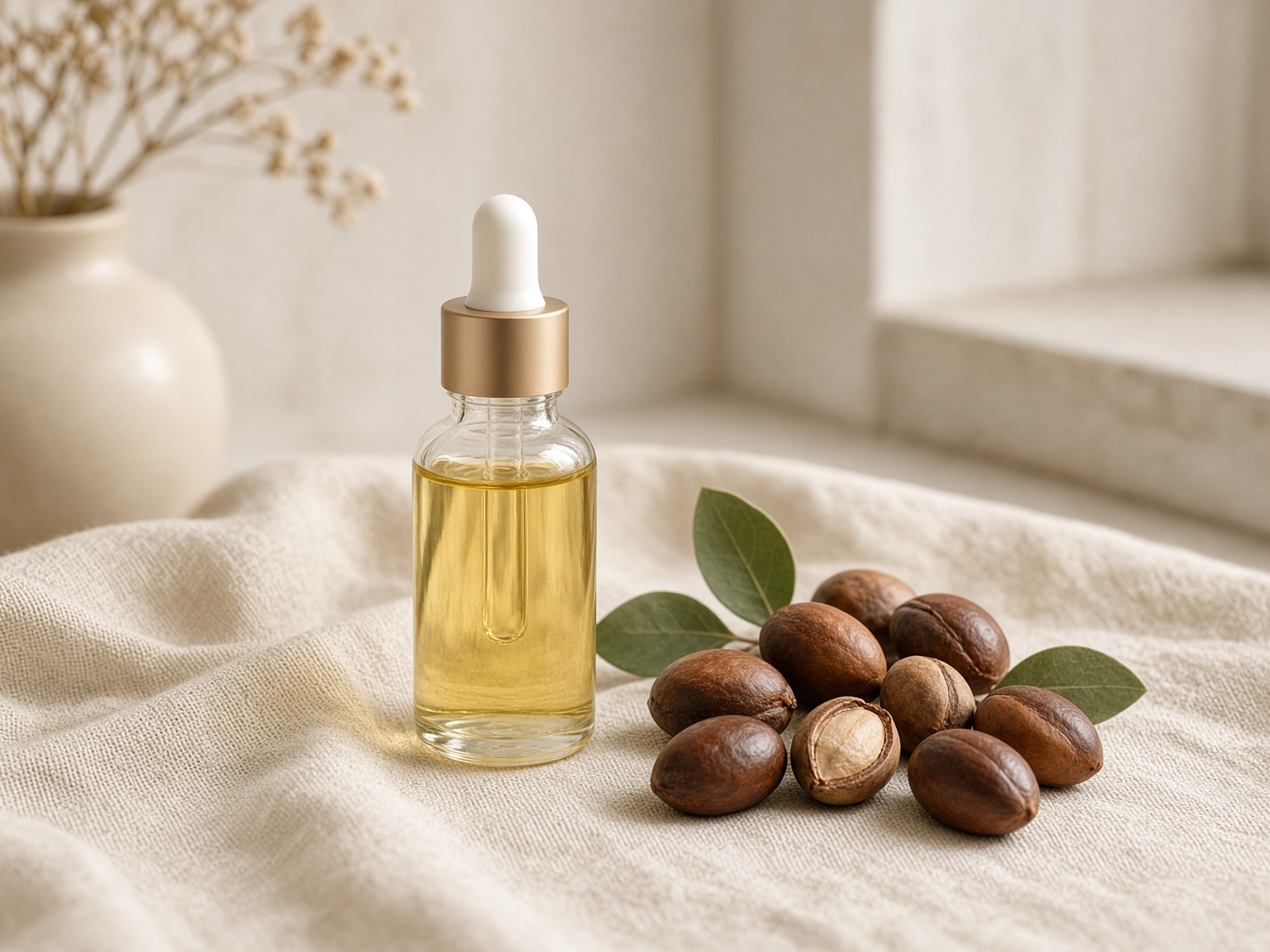
The bottle you dilute into. Stable, light, and not for the frying pan.